
Introduction to STD Tests
STD tests help find infections that spread through sexual contact. Early testing is important because many people have no symptoms. However, regular screening can protect your health and your partner’s. If you wonder how to get tested for STDs, you are not alone. Many clinics offer STD testing near you, making it easy to get checked.
What Are STD Tests?
STD tests check for infections like chlamydia, gonorrhea, HIV, and syphilis. These tests use samples from your body to look for germs or signs of infection. Because some STDs do not cause symptoms, testing is the only way to know for sure. The STD screening process is simple and quick in most cases.
Common Types of STD Tests
Doctors use different tests to find STDs. Each test depends on the infection and your symptoms. For example, some tests use blood, while others use urine or swabs. Here are the main types:
Sometimes, you may need more than one type of test. Your doctor will guide you on which tests are right for you.
Symptoms That May Prompt Testing
Many STDs do not cause symptoms at first. Still, some signs may mean you need an STD test. For instance, you should get tested if you notice:
Even if you feel fine, regular STD screening is wise if you are sexually active.
How Are STD Tests Performed?
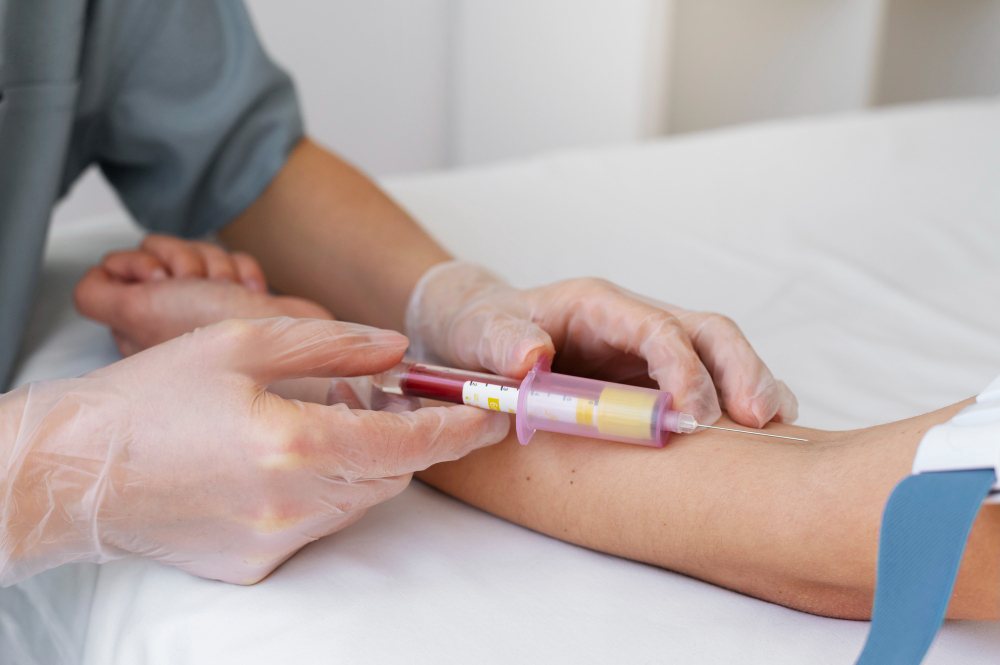
STD testing is usually quick and simple. First, your healthcare provider will ask about your health and sexual history. Next, they will explain which tests you need. Then, they may collect a blood sample, urine sample, or swab. Most tests take only a few minutes. Afterward, you can return to your normal activities.
Who Should Get Tested and When?
Anyone who is sexually active should consider STD tests. However, some people have a higher risk. For example, you should get tested if you:
Because some STDs can harm your health, regular screening is important. The CDC suggests yearly testing for certain groups, such as sexually active women under 25 and men who have sex with men.
Understanding Results and Next Steps
After your STD tests, you will get your results in a few days. If your test is negative, you do not have that infection. But, you should keep practicing safe habits. If your test is positive, do not panic. Many STDs are treatable. Your doctor will explain your options and help you start treatment. Also, you may need to tell your partner so they can get tested too.
STD Prevention Tips and Safe Practices
Preventing STDs is possible with a few simple steps. For example, you can:
Because early detection helps prevent serious problems, regular STD screening is key.
Importance of Early Detection
Early STD testing can protect your health and stop the spread of infection. When you catch an STD early, treatment is often easier and more effective. Also, you can avoid long-term health issues. Therefore, do not wait for symptoms. Instead, make STD screening a regular part of your health routine.
Conclusion
STD tests are a simple way to protect yourself and others. With regular screening, safe practices, and honest conversations, you can lower your risk. If you have questions or need advice, consult a healthcare provider at ChemQuest Labs for personalized STD testing guidance.