
Introduction
Diabetes is a common health problem that affects millions of people worldwide. Early detection is important because it can help prevent serious health issues. Diabetes Screening Tests are simple checks that can spot diabetes before symptoms appear. These tests help you and your doctor take action early. In this blog, you will learn about different types of diabetes tests, who should get screened, and what to expect during the process.
What Are Diabetes Screening Tests?
Diabetes screening tests are medical checks that look for signs of diabetes in people who may not have symptoms yet. The main goal is to find high blood sugar early. This way, you can start treatment or make lifestyle changes sooner. There are several types of diabetes tests, each with its own purpose. For example, some tests measure your blood sugar after fasting, while others check your average sugar levels over time.
Each test helps doctors understand your risk for diabetes or prediabetes. For more details, you can ask your healthcare provider about which test is best for you.
Who Should Get Screened?
Not everyone needs diabetes screening right away. However, certain people have a higher risk. If you have risk factors, you should consider getting tested. According to the CDC and WHO, you may need screening if you:
Even if you feel healthy, you might still be at risk. Therefore, talk to your doctor if you have any of these factors.
How Are Diabetes Screening Tests Performed?
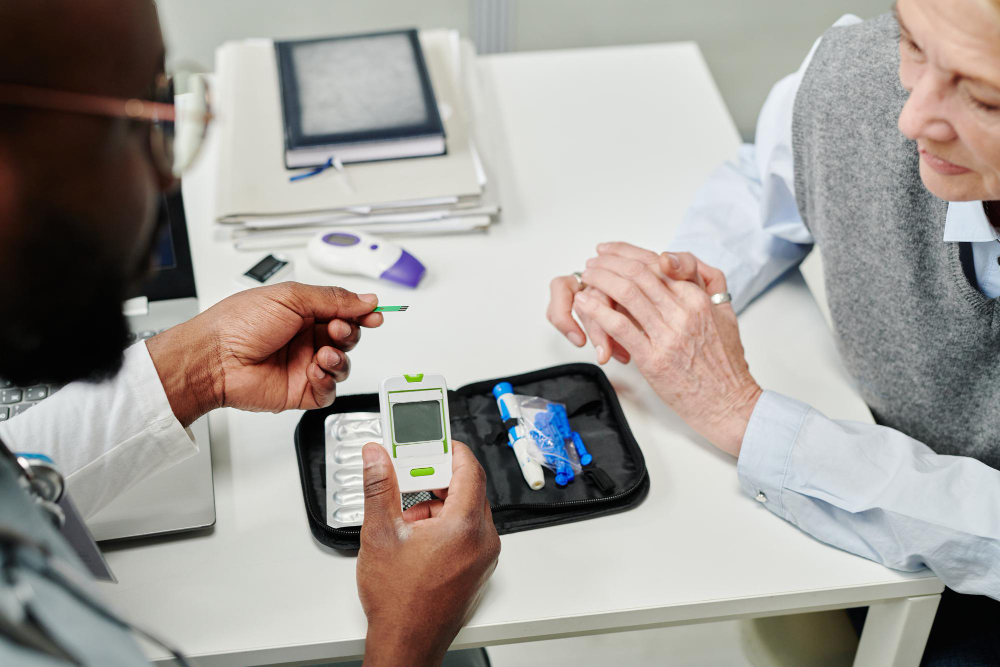
Diabetes screening tests are usually simple and quick. Before the test, your doctor may ask you not to eat or drink for several hours, especially for the fasting blood glucose test. During the test, a small blood sample is taken from your arm or finger. The process is usually painless, but you might feel a small pinch.
After the test, you can return to your normal activities. In some cases, you may need to wait for results. For the oral glucose tolerance test, you will drink a sweet liquid, then have your blood checked at different times. This test takes a few hours, but you can relax between samples.
Most people find these tests easy to complete. If you have concerns, your healthcare provider can explain each step.
Understanding Your Results
Once your diabetes screening test is done, your doctor will review the results with you. Here is what common results mean:
If your results are abnormal, your doctor may suggest more tests or start a treatment plan. Early action can help you avoid serious health problems. Therefore, always follow your doctor’s advice and ask questions if you are unsure.
Benefits of Early Screening
Early diabetes screening has many benefits. First, it helps you catch the disease before symptoms appear. This means you can start making changes sooner. Second, early detection lowers your risk of serious problems like heart disease, kidney damage, and vision loss. Also, knowing your risk can motivate you to live a healthier life. In short, early screening gives you more control over your health.
Prevention and Lifestyle Tips
Even if your diabetes screening tests are normal, you can take steps to lower your risk. Here are some simple tips:
By following these tips, you can help prevent diabetes or manage your risk. Remember, small changes can make a big difference over time.
Conclusion
Diabetes screening tests are important tools for early detection and prevention. They are simple, safe, and can help you stay healthy. If you have risk factors or are unsure about your risk, consult a healthcare professional at ChemQuest Labs for personalized diabetes screening advice. Early action can protect your health and improve your quality of life.